
What Tom Hiddleston’s Broadway Shakespeare role reveals about long-term actor development
When actors achieve global success on screen, it can be easy to assume they’ve moved beyond formal training. Yet this autumn, RADA alumnus, Tom Hiddleston, will return to one of theatre’s most demanding forms, taking on the role of Benedick in Much Ado About Nothing on Broadway following the production’s acclaimed West End run.
For aspiring and professional actors alike, the decision offers an important reminder: the skills developed through classical training remain relevant at every stage of an acting career.
Why do successful actors keep returning to Shakespeare?
Hiddleston has built an international career across film, television and theatre, yet Shakespeare continues to be part of his artistic practice. His return to Much Ado About Nothing reflects a wider trend among leading actors who regularly revisit classical texts throughout their careers.
The reason is simple - Shakespeare asks actors to bring together multiple disciplines simultaneously; disciplines such as vocal clarity and stamina, text analysis, physical storytelling, emotional truth and precise character choices. These are not niche theatre skills, they are rather fundamental acting skills that can strengthen performance across stage, screen and auditions.
Shakespeare is more than a literary exercise
Many actors approach Shakespeare with a degree of apprehension – the language can appear complex and distant from contemporary performance. However, Shakespeare provides one of the most effective training grounds for actors. The heightened language requires performers to understand exactly what their character wants, how they pursue it and what obstacles stand in their way.
When actors learn to navigate dense text confidently, they often find contemporary scripts become easier to analyse and perform. This is why Shakespeare remains a core component of conservatoire training and professional development across the world.
Benedick: a masterclass in acting craft
Benedick, the role Hiddleston will play on Broadway, is one of Shakespeare’s most nuanced comic characters. The part demands sharp comic timing, emotional vulnerability, fast-paced verbal exchanges, strong connection with scene partners, command of complex language. The role can only truly succeed with an actor combines technical precision with spontaneity. That balance between technique and instinct lies at the heat of professional actor training.
The skills behind every great performance
Audiences often focus on a performance's emotional impact, but actors understand that compelling work is built upon rigorous preparation. Whether rehearsing Shakespeare, filming a television drama or recording a self-tape audition, performers draw from the same foundational skills:
Voice: actors need to communicate clearly, confidently and truthfully. Voice work helps performers connect language to intention while developing the range and stamina required for demanding roles
Text analysis: great acting begins with understanding the script. Learning how to decode language, relationships and objective gives actors a repeatable process that can be applied to any text.
Movement: physical choices communicate as much as dialogue. Movement training helps actors embody character and develop presence on stage and screen.
Monologue work: Monologues remain one of the most widely used audition tools. Developing confidence and independence when approaching speeches is an essential professional skill.
These areas form the foundation of classical actor training at RADA and continue to support experienced performers throughout their career.
What emerging actors can learn from Tom Hiddleston’s example
Hiddleston’s return to Shakespeare demonstrates that training is not something actors leave behind once they find professional success. Instead, ongoing development remains an essential part of artistic growth.
For early-career performers, this is an encouraging message. You do not need to wait until you’re preparing for a major Shakespeare production to benefit from classical training. Developing skills in voice, movement, scene study and text analysis can strengthen auditions, self-tapes, film performances, television work, theatre roles.
The goal isn’t simply to perform Shakespeare better. The goal is to become a more versatile actor. Our Shakespeare in New York course is designed to help actors deepen their connection to Shakespeare’s text through focused training in voice, scene study, monologues and movement. Participants work with expert tutors from one of the world’s most respected conservatoires while developing practical skills that transfer across performance contexts.
As actors such as Tom Hiddleston continue to demonstrate, classical training remains as relevant today as ever. Whether your ambitions lie on Broadway, in film, on television or simply in becoming a stronger performer, Shakespeare offers a powerful route to developing the skills that sustain a lifelong acting career.
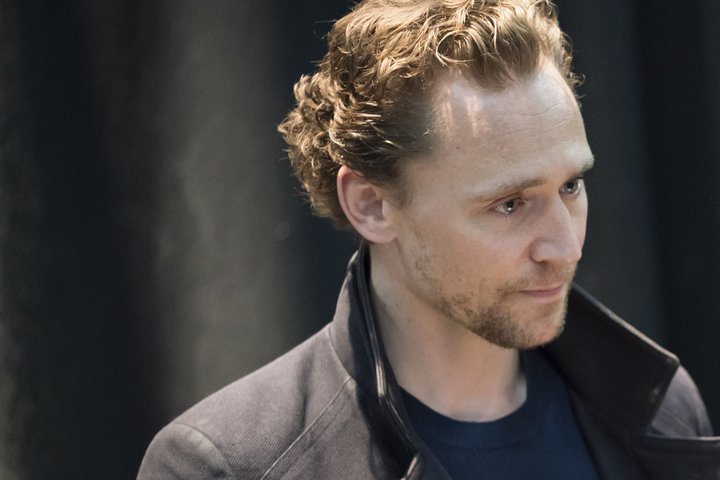
Image above: Tom Hiddleston in Hamlet, a RADA co-production (2017)
RADA will be running Shakespeare in New York courses in September, December and April 2027. Discover the course details and start your application here.
Browse all RADA Short Courses taking place in New York here.