Inaugural Mona Hammond Annual Lecture: Why it Matters
On Wednesday 2 September, Talawa Theatre Company and RADA will come together to present the inaugural Mona Hammond Annual Lecture, a moment that feels both timely and deeply meaningful.
This partnership began with a shared belief that Mona Hammond's legacy in performing arts deserves more than remembrance. Mona was not only an extraordinary artist; she was a changemaker who transformed British theatre by creating opportunities, opening doors and helping to build the institutions that many artists continue to benefit from today. Together, Talawa and RADA have set out to honour that legacy by creating a space for reflection, challenge and imagination, asking a simple but vital question: what must theatre become now and in the future?
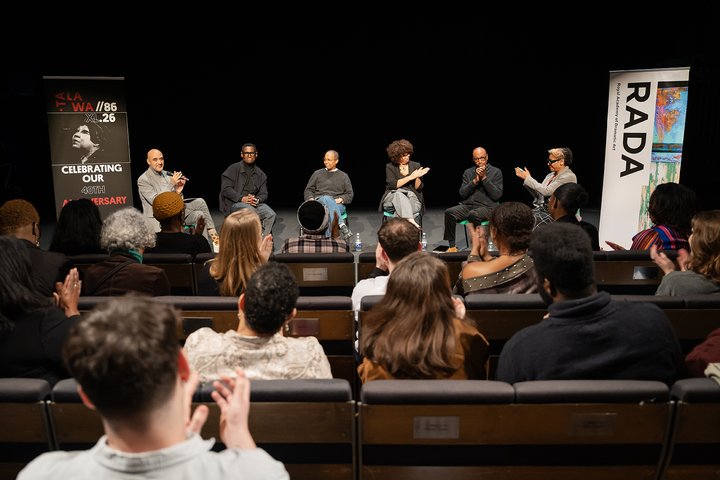
The conversations we've had so far have reinforced just how urgent that question is. Earlier this year, artists, students, educators and sector leaders gathered for a roundtable exploring wellbeing, belonging and equity in the creative industries. The discussion was honest and generous, highlighting the realities of building a life in the arts while also pointing towards the changes still needed to create a more inclusive and sustainable sector.
That is why we are delighted that David Harewood OBE will deliver the first lecture in the series.
David's career embodies many of the themes that sit at the heart of Mona's legacy: artistic excellence, resilience, leadership and a commitment to speaking openly about race, mental health and belonging. His experiences, from training at RADA through to an internationally acclaimed career, offer a powerful lens through which to examine the responsibilities that theatre has to the people who dedicate their lives to it.
As we look ahead to the first lecture, we are excited not just to hear David's reflections, but to continue a wider conversation about the future of our art form. At its heart, the Mona Hammond Annual Lecture is an invitation to imagine better conditions for artists to thrive, stronger institutions, and a theatre culture that is as courageous and generous as the artists who shape it.
We hope audiences will leave inspired by Mona's legacy, challenged by David's insights, and encouraged to consider their own role in building the future of British theatre.